


Here is a proofread and streamlined version of your article. I have reorganized the paragraphs to improve the flow, removed the major redundancies (specifically the repeated mentions of the band’s formation, lineup, and the March 1971 recording dates), and fixed the grammatical issues in your highlighted text comparing Colosseum to King Crimson.
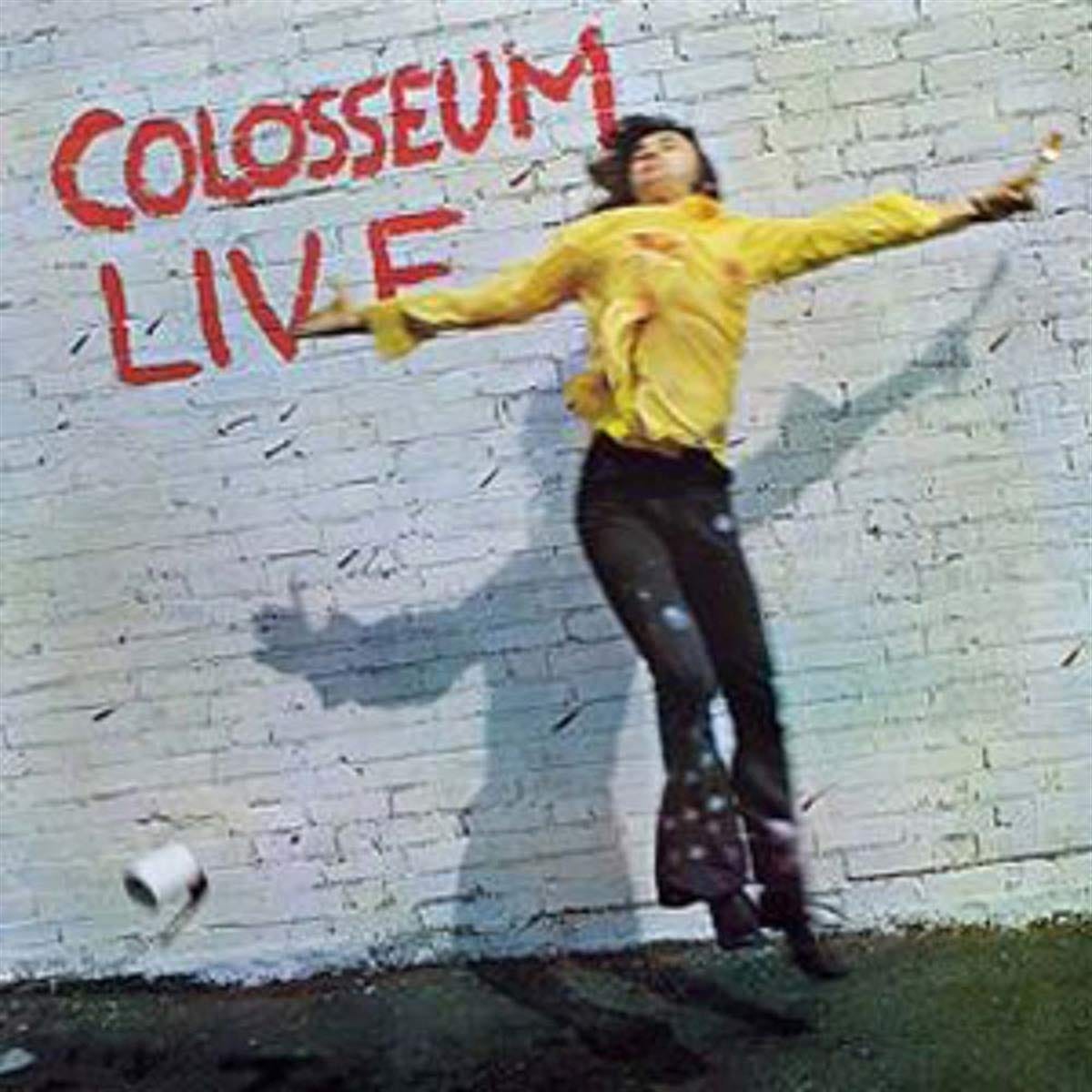
The 100 Best Live Recordings - No. 77 Colosseum - Colosseum Live
In my elegantly misspent youth, Colosseum was but a blip on my cultural radar. I had already given my heart to Joe Cocker and his masterclass in American rhythm and blues. In my ballooning LP collection, Yes lived next to the Allman Brothers Band, and King Crimson was just down the street from B.B. King, yet I could never be accused of being a progressive rock fan. I was completely unmoved by Kansas and thought Emerson, Lake & Palmer were as bloated as they were pretentious (though Welcome Back, My Friends to the Show That Never Ends sits at No. 84).
In my youthful exuberance, I sold my soul to blues-based rock and roll when I first heard Mountain’s “Mississippi Queen” at the crossroads of Evergreen and Biscayne. I could not be troubled with Colosseum and a host of other acts, dismissing them in favor of the Marshall Tucker Band, Lynyrd Skynyrd, and ZZ Top. From my vantage point 50 years later, I missed a lot of music. Thankfully, there is no time like the present.
A reader suggested I include Colosseum Live on this list. Listening to the recording, I found a curious amalgam of jazz, rock, blues, and classical music that justified Colosseum a seat next to King Crimson, Deep Purple, Savoy Brown, and The Mothers of Invention.
When Colosseum formed in 1968, they didn’t just cross genres—they demolished the boundaries between them. Founded by drummer Jon Hiseman and saxophonist Dick Heckstall-Smith—both seasoned veterans of the Graham Bond Organisation and John Mayall’s Bluesbreakers—the band fused the cerebral improvisation of jazz with the raw, visceral power of blues and rock. Joined by organist Dave Greenslade, bassist Mark Clarke (who replaced Tony Reeves), powerhouse vocalist Chris Farlowe, and guitarist Dave “Clem” Clempson, Colosseum quickly built a reputation as a fierce, uncompromising live act. They were fiercely respected musicians’ musicians, acting as the ultimate connective tissue of the British blues-rock boom.
While their studio trilogy—Those Who Are About to Die Salute You (1969), Valentyne Suite (1969), and Daughter of Time (1970)—proved they could marry complex jazz arrangements with heavy rock structures, the studio walls were too narrow for them. Like many bands of the era (the Allman Brothers, Little Feat), Colosseum required a live audience to detonate their post-modern Mad Max engines.
If their studio albums are blueprints, Colosseum Live is the fully realized skyscraper. Released in September 1971, this monumental double album captures a heavyweight collective operating at the absolute peak of its improvisational powers. The magic stems from two hotspots on their March 1971 UK tour: Manchester University and The Big Apple in Brighton. Driven by the explosive atmosphere of the Manchester crowd, bandleader Jon Hiseman was so impressed by the initial tapes that he brought the band back to the university five days later for a free concert just to capture more material. The gamble paid off, preserving a raw, lightning-in-a-bottle energy that engineer Peter Gallen beautifully captured.
Nowhere is Colosseum’s collective brilliance clearer than on the sprawling, side-long journey of “Lost Angeles” and the band’s eclectic performance of (a decidedly not Allman Brothers Band) “Stormy Monday Blues.” Expanding exponentially from its original studio version, this performance of “Los Angeles” operates as a masterclass in tension, release, and telepathic interplay. Dave Greenslade sets the stage with a dark, evocative organ introduction before the rhythm section locks into a bruising, jazz-inflected groove. The centerpiece belongs to Clempson, whose blistering, fluid solo stretches the blues scale to its absolute breaking point. Rather than devolving into self-indulgent noodling, the 15-minute jam functions as a tightly coiled machine: Heckstall-Smith’s double-sax assault cuts through the mix like iron, while Hiseman’s polyrhythmic drumming acts as the furiously beating heart of the track, pushing his bandmates into a jaw-dropping, high-velocity climax. Ditto, “Stormy Monday.”
Ironically, this high-water mark signaled the end of their first chapter, as the band split just months after the album’s release to pursue separate paths. For over two decades, that 1971 live record remained the definitive monument to their legacy, until the classic lineup shocked the rock world by reuniting in 1994. This sparked a robust second act that weathered the passings of Heckstall-Smith (2004), Hiseman (2018), and Hiseman’s wife and acclaimed saxophonist Barbara Thompson (2022). Surviving members Clempson, Clarke, and Farlowe have preserved the legacy, ushering in a “Restoration” era that ensures Colosseum’s history remains an ongoing testament to the transformative power of live performance.
In the wider landscape of early-1970s progressive rock, Colosseum stood as the gritty, muscular antithesis to King Crimson. Both bands were architects of the burgeoning prog scene, but they approached it from opposite poles. Where Robert Fripp’s King Crimson was cerebral, symphonic, and detached—constructing gothic walls of sound from Mellotrons and avant-garde dissonance—Colosseum was organic, sweaty, and swinging. King Crimson looked to European classical abstraction; Colosseum stayed tethered to the rhythm, blues, and heat of the London club scene.
Crimson became the godfather of conceptual, symphonic prog, while Colosseum carried the flag of a visceral jazz-rock fusion that refused to compromise on rock ‘n’ roll grit. They proved that progressive music didn’t have to be clinical or polite to be intelligent. Colosseum Live remains monolithic to that philosophy—a loud, heavy, and essential masterpiece of British rock history.