


Miles Davis’ 1960 Spring and Fall European Tours were two different animals. The spring leg hosted largely the same band that recorded the landmark Kind of Blue (Columbia Records, 1959) sans alto saxophonist Julian “Cannonball” Adderley: tenor saxophonist John Coltrane, pianist Wynton Kelly, bassist Paul Chambers, and drummer Jimmy Cobb). Between March 21 and April 9, the band performed nine shows in seven venues. The press termed this “the last tour,” after which Coltrane would leave the Miles Davis Quintet to found his own quartet.
Columbia Records released Kind of Blue on Monday, August 17, 1959. The recording detonated within Coltrane, a white-hot creative transformation that would continue unabated until the saxophonist’s death eight years later. Davis also experienced a creative resurgence, but of a more conservative, educated variety. Coltrane had just released Giant Steps (Atlantic Records) in early 1960, just ahead of the spring leg of Davis’ European tour. He took the lessons learned from Kind of Blue running with them, while Davis took a more measured approach to the changes in his style. When they came together in March for the tour, the two men inhabited very different creative spaces. Coltrane’s solos exploded with flurries of notes, dissonant and ragged, foreshadowing his “sheets of sound” to come. Davis had not yet fully embraced the breakneck tempi he would use in the future, still looking for the spaces between notes.
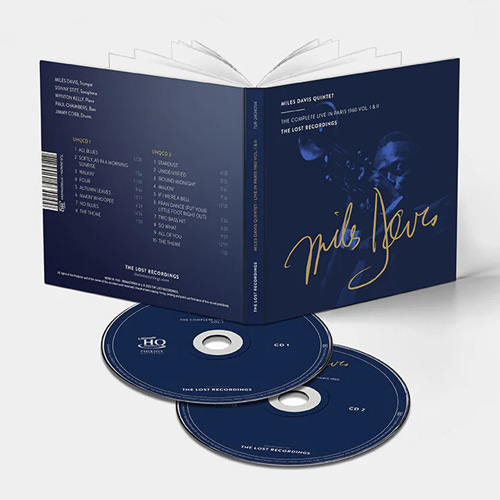
This created stylistic friction between Davis and Coltrane that drove both men on what would be Coltrane’s last tour with the leader. Davis sounds anxious in response to Coltrane’s restless searching, making for interesting listening. The audience, particularly at Paris’ L'Olympia, was skeptical of the direction Coltrane was taking. Break forward to the fall tour with saxophonist Sonny Stitt and the same rhythm section performing again at L'Olympia on October 11, 1960, and jazz was fun again. A very relaxed Miles appeared and sauntered his way through the same basic set lists he shared with Coltrane earlier. Stitt was a bebop OG who understood Davis’ language, melding with the trumpeter on the newly discovered performances found on The Lost Recordings: The Complete Live in Paris 1960 Vol. I & II.
These performances cooked with a throwback glee to the mid-1950s, when no one was in a hurry and Miles was content to play jazz at the dawn before he too, would dismantle his songbook. Wynton Kelly and Paul Chambers showcase their all-swing style on “Walkin’,” “All Blues,” and “No Blues.” Stitt gets a showcase on “Stardust” and an untitled original, both thrilling in their execution. Cobb blows the roof off of “Two Bass Hit” and Stitt plays his best bop. The band plays “So What” double time, a trend Davis would extend to all of his book as he developed his second great quintet over the next few years. Davis’ performance smiles with an easygoing satisfaction that will turn restless all too soon.
This is how to hear Miles Davis ahead of his wilderness years looking for his quintet with Herbie Hancock, Wayne Shorter, Ron Carter, and Tony Williams. Still dry-ice cool and ultra-hip with the fuse of the future ignited.