


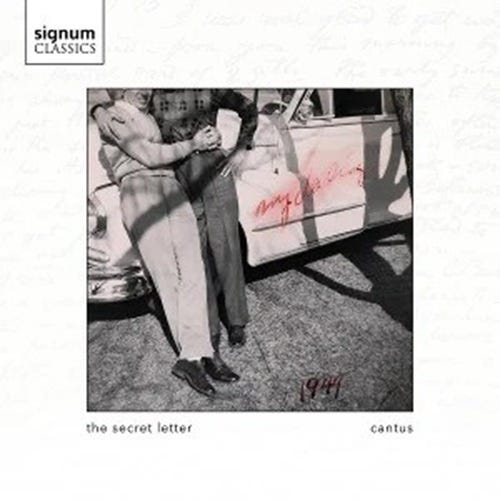
The journey of the vocal ensemble Cantus began in the fall of 1995 on the campus of St. Olaf College in Northfield, Minnesota. Originally founded as a student-run organization by friends seeking a musical escape from academic life, the group grew in prominence, establishing itself as a full-time, professional nonprofit arts organization by 2000 based in Minneapolis. Today, Cantus stands as one of only two full-time, professional classical male vocal ensembles in the United States that pays its artists a full-time salary.
Distinctly operating as a chamber ensemble without a conductor, the eight members share complete artistic direction. For every piece, a single member acts as the “producer,” guiding interpretation, pacing, and rehearsal dynamics. This democratic framework fuels their trademark vocal blend, praised for its exalting finesse and expressive power. This egalitarian artistic model offers a striking contrast to contemporary counterparts like Chanticleer, whose meticulously curated blend is steered by an artistic director, or the clinical, tightly structured ensemble precision long championed by Britain’s legendary King’s Singers.
To fully appreciate the ensemble’s identity, a “new” vocabulary must be unpacked. In choral music, the traditional term “men’s chorus” or “male choir” has long designated groups composed strictly of tenors and basses. However, over the past decade, Cantus and the broader choral community shifted to the more inclusive classification: low-voice ensemble. This terminology serves two primary artistic functions. First, it defines the ensemble purely by the physical pitch and sonic frequency of the repertoire rather than the gender identity of the performers. Second, it honors a vast tradition of music written specifically for deep vocal timbres—stretching from Renaissance plainsongs to 21st-century commissions—while keeping the door open to diverse contemporary vocalists.
This structural pivot sets Cantus apart from other premier configurations in the vocal space. Unlike Chanticleer, which uses male sopranos and countertenors to encompass a full mixed-choir frequency spectrum, or The King’s Singers, whose distinct sound architecture relies heavily on two countertenors sitting atop the texture, Cantus deliberately anchors its identity within the rich, grounded resonance of the low-voice spectrum. While early promotional materials categorized them as a male vocal ensemble, Cantus officially leaned into the “low-voice ensemble” designation in their branding during the late 2010s and early 2020s, cementing their role as forward-thinking promoters of inclusive narrative programming.
Before entering the studio to record The Secret Letter—a profound, thematic exploration of historically closeted and forbidden queer love letters (“the love that dares not speak its name”) set to music—Cantus curated a deep, narrative-driven discography. Listeners tracking the lineage of this project should note pivotal prior releases like All Is Calm: The Christmas Truce of 1914 (2008). This masterpiece of narrative theater set the baseline for their mastery of spoken-word and musical hybrid storytelling. Later, Manifesto (2021), their landmark debut with the U.K.’s Signum Classics label, highlighted the group’s dedication to broadening modern low-voice repertoire through contemporary commissions. They followed this with the versatile holiday release Into the Light (2022) and the immediate conceptual predecessor to this project, Alone Together (2025). The latter investigated human isolation in the digital age, proving the ensemble’s commitment to using ancient vocal textures to dissect deeply vulnerable modern human experiences.
Armed with this legacy of structural equity, vocal precision, and thematic bravery, Cantus approaches The Secret Letter not just as a choir performing a concert cycle, but as musical archivists uncovering long-hidden truths. This archival lens transforms even the most familiar repertoire on the album into urgent socio-political statements. On “Bésame Mucho,” arranged by José Galván, the ensemble strips away the brassy, sweeping orchestration of the traditional 1940 bolero. In its place, they instate an intimate, close-harmony vocal texture. The lower registers mimic the steady, rhythmic acoustic strum of a guitar, while the upper tenors deliver the melody with a breathless, vulnerable quality. Where standard pop-vocal tethers or mainstream close-harmony groups often polish such standards into comfortable ear-candy, Cantus leans into a claustrophobic closed space. The performance frames the iconic line, “como si fuera esta noche la última vez” (”as if tonight were the last time”), not as generic melodrama, but as the literal, terrifying reality of a lover who must vanish into the shadows by daybreak.
This atmosphere of enforced secrecy is given historical and literary weight through the album’s un-sung spoken interludes. The excerpt from Oscar Wilde’s De Profundis serves as the immediate thematic bridge and emotional anchor for the classical repertoire on the album. Written by Wilde in 1897 while imprisoned for “gross indecency” in Reading Gaol, this long, agonizing letter to Lord Alfred Douglas (“Bosie”) is delivered here without musical accompaniment. By stripping away harmony, the raw vocal presentation captures the hollow isolation of Wilde’s cell. The pacing and stark spoken timbre create an unadorned acoustic space that forces the listener to confront the literal historical cost of forbidden love right before the ensemble transitions back into song.
The psychological toll of this isolation seamlessly morphs into an anthem of resilience through the ensemble’s brilliant reinvention of pop and musical theater standards. On “Blackbird,” Paris Rutherford’s arrangement rejects the iconic, driving acoustic guitar fingerpicking of the Beatles’ original. Instead, Cantus uses complex, jazz-inflected chords and fluid, imitative vocal lines distributed across the ensemble’s entire range. Here, the group handles the syncopation with a relaxed, organically warm space that avoids the pristine, sometimes overly calculated rhythmic sterility of The King’s Singers’ pop catalog. In this specific tracking list, the lyrics take on a poignant secondary resonance, transforming Paul McCartney’s original Civil Rights metaphor into a soaring, text-painted soundscape about the internal struggle of emerging from the closet.
This theme finds its logical climax in Richard Rodgers and Oscar Hammerstein II’s “We Kiss in a Shadow,” arranged internally by Cantus bass Chris Foss. Originally written for The King and I, the song famously became an underground code and anthem for closeted gay men and lesbians in mid-20th-century America. Foss’s arrangement honors its Broadway roots while elevating it to a high-art choral art song. While Chanticleer might treat such a line with shimmering, ethereal high-register suspension, Cantus leverages the full dynamic and visceral spectrum of the low-voice ensemble. Moving from hushed, whispered dynamics to a sweeping, full-bodied crescendo, the performance perfectly captures the duality of the closet: the suffocating fear of being caught, contrasted against the overwhelming, undeniable pride of shared love.
The Secret Letter establishes itself as a hard fought achievement in the modern choral canon, illustrating how a low-voice ensemble can wield historical narrative as musical activism. By seamlessly unifying pop sentimentality, spoken-word tragedy, and classical rigor, Cantus does more than just sing about the past; they resurrect the muted voices of history and grant them the acoustic space they were long denied. It is an album that demands to be heard not merely for its impressive technical blend or its rich, conductorless synergy, but for its emotional bravery. In revealing these hidden messages, Cantus has delivered an artistic statement on the enduring power of love against oppression, ensuring that these once-secret letters are finally broadcast to the world.
Thank you for writing about this album and this vocal ensemble that I didn't know. I'm listening to the album right now: wonderful !